Sinking Basement Floor? Here's What That Actually Looks Like
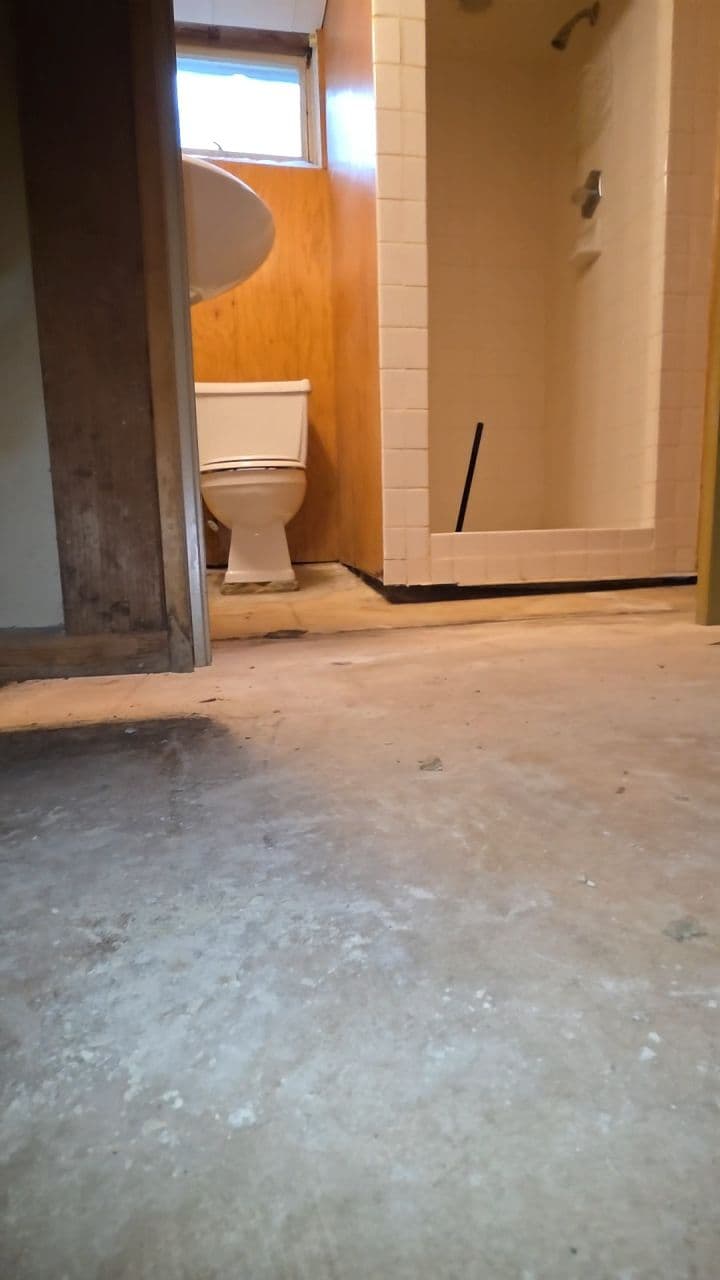
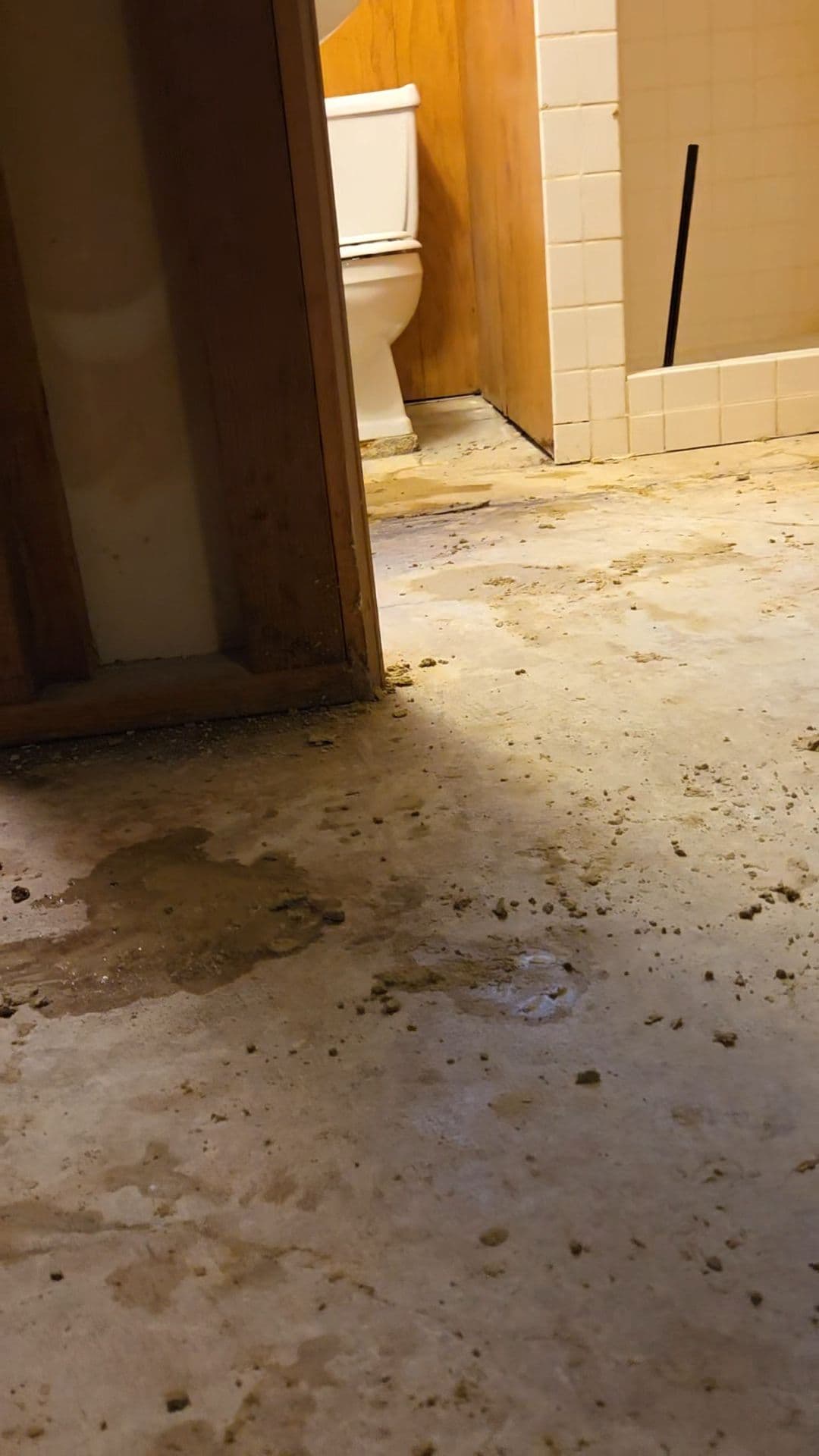
A sinking basement floor is one of those problems that sneaks up on you. It starts subtle - a slight dip here, a crack there. Then one day you realize the floor has dropped enough that gaps are forming at the base of your walls and fixtures. That's when things get serious.
This is exactly the kind of situation we deal with regularly. When the soil beneath a concrete slab loses density or shifts over time, the slab follows it down. It doesn't fix itself. And waiting usually means the settlement gets worse and the repair gets more involved.
What we do is lift and stabilize that settled concrete using a process called mudjacking - sometimes called concrete raising. We drill small holes into the slab, pump a grout mixture underneath, and use that material to fill voids and push the slab back up. It's precise, it's proven, and it gets the floor stable again without a full tear-out and replacement.
The gap visible along the base of the bathroom wall is a textbook sign of slab settlement. That kind of separation tells us the floor has moved independently of the surrounding structure. We can address that directly - lifting the slab back toward where it should be and tightening up those gaps.
If your basement floor is showing similar signs, don't sit on it. The longer settled concrete goes unaddressed, the more the surrounding structure has to compensate - and that compounds the problem. We offer free quotes and straight answers about what's going on and what it'll take to fix it.