Why Garage Apron Repair & Caulking Matter More Than You Think
Learn why garage apron repair and proper caulking matter, what it costs, and when to schedule the work to prevent long-term water damage to your concrete.
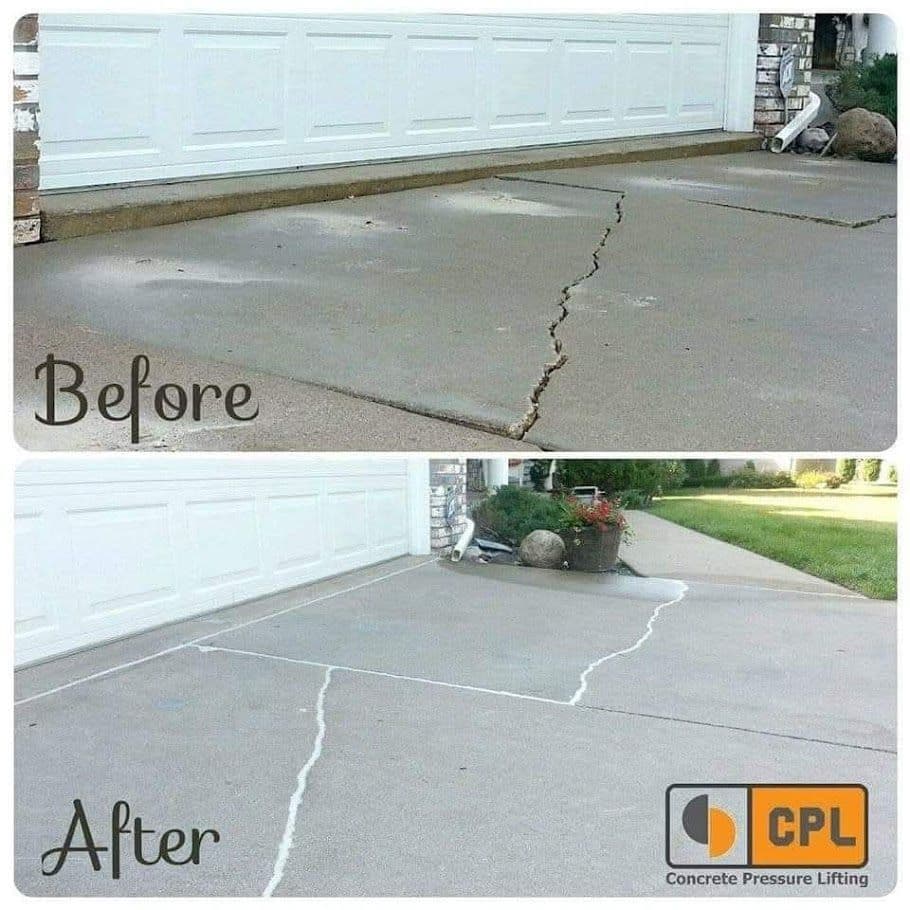
Why One Homeowner’s Garage Apron Question Turned Into a Lesson on Water Damage
We recently got a call from a homeowner — let’s call him Mark — who was getting ready to close on a new house with a three-car garage. He’d noticed the concrete apron in front of the garage had settled and wanted a rough idea of the cost to fix it and add caulking.
Mark’s main questions were simple but smart:
“What’s a ballpark cost to fix the garage apron?”
“Should I bother with caulking, or is that just an extra?”
“How long does the work actually take, and when can it be done?”
We walked him through the estimate (for his size of apron it was in the $1,500–$2,000 range, plus the cost of caulking) and explained why that bead of sealant between the garage and driveway is a lot more important than it looks.
What Exactly Is a Garage Apron — And Why Does It Settle?
The garage apron is the section of concrete right in front of your garage door — where your garage floor slab meets the driveway. Over time, that area often settles or drops, creating a gap or lip you can feel when you drive over it.
Common reasons it settles include:
Poorly compacted soil when the home was built
Water washing out soil under the drive over many seasons
Freeze–thaw cycles that expand and contract the ground
Heavy vehicles repeatedly loading the edge of the slab
At first, it might just be a small drop or hairline gap. But if you ignore it, that joint can become a major pathway for water — and that’s where the real trouble starts.
Why Proper Caulking Is Like “Weatherstripping” for Your Concrete
During Mark’s call, we told him something we tell every homeowner: anywhere water can get in, you really want to protect. We compare garage apron caulking to caulking around your bathtub. If there’s a crack, water will find its way in, and it never leads to anything good.
Here’s what can sneak through an unsealed apron joint:
Rainwater from the sky, even if you have gutters
Snowmelt and slush dripping off your car
Salt and de-icers that accelerate concrete deterioration
Once water gets between the garage slab and driveway, it can wash out the soil and make settling worse. In colder climates, water freezes in those gaps, expanding and breaking down the concrete even faster. A proper, flexible caulk acts like a gasket, sealing that joint to keep the bad stuff out.
Cost: What Most Homeowners Can Expect to Spend
When Mark asked for a “rough number,” we gave him a range based on what we typically see with a three-car garage apron and some related work:
Garage apron repair/leveling: Often in the $1,500–$2,000 ballpark for a larger three-car setup, depending on how far it’s dropped and what else is involved (like nearby sidewalk sections).
Professional caulking: An additional line item, but relatively small compared to the cost of the apron repair itself.
Pricing will vary by area, size, and severity, but that gives you a realistic expectation. The key is to view caulking not as an add-on, but as cheap insurance that helps protect the bigger investment you’re already making in the apron repair.
Timing: When We Can Do the Work and How Long It Takes
Mark was closing on his home at the end of March and wanted to know when we could actually get the work done. With concrete and soil, timing matters.
Here’s how we explained it:
We generally wait until the ground has thawed before doing apron and concrete repair work. In our climate, that’s typically around early to mid-April.
In some years we can start a bit earlier if road restrictions and weather conditions cooperate.
Once scheduled, the actual work on a garage apron and caulking usually takes about half a day on site, give or take.
A lot of homeowners are surprised to learn that the bulk of the time is spent in scheduling and setup, not the on-site work itself. We encouraged Mark to approve the estimate as soon as he was comfortable so he could get in the queue early.
What You Can Do as a Homeowner to Prevent Water Damage
Even before we show up, there are a few simple things you can watch for and take care of yourself:
Inspect the joint where your driveway meets the garage floor once or twice a year. Look for gaps, cracks, or places where the old caulk has pulled away.
Watch for pooling water right in front of the garage after rain or snowmelt. Standing water is a clue that settlement and drainage problems are starting.
Keep gutters clean and downspouts extended so roof water isn’t dumping directly onto your driveway and apron.
If you’re handy, you can tackle minor re-caulking yourself with high-quality, exterior-grade concrete sealant. Be sure the joint is clean and dry, and remove loose old material first.
For larger gaps, noticeable settling, or if your garage floor is starting to crack or tilt where it meets the driveway, it’s time to call in a professional to lift, level, and then seal everything correctly.
Thinking About Garage Apron Repair? Plan Ahead.
With Mark, the conversation ended the same way we recommend for any homeowner: get your questions answered, review the estimate, and then schedule when you’re ready. We don’t ask for money down; we simply place you in line once you’ve approved the work so we can plan properly around the weather and our backlog.
If you’re noticing a bump, lip, or gap at your garage entrance — or you’re wondering whether caulking is worth it — it almost always is. A half day of work and a modest investment in proper sealing can prevent years of water damage, soil washout, and concrete headaches down the road.
Have questions about your own garage apron, driveway, or caulking? Reach out, describe what you’re seeing, and we’ll talk through realistic costs, timing, and options for protecting your concrete from water damage.